
large led vanity mirror
Types of Ball Valves and Their Functions Ball valves are crucial components in various piping systems, widely used across industries such as oil and gas, water treatment, and manufacturing. Their design provides a reliable method for controlling the flow of liquids and gases. This article explores the different types of ball valves and their specific functions, demonstrating why they are a popular choice in flow control applications. 1. Standard Ball Valves Standard ball valves are characterized by a spherical disc, known as a ball, which is mounted within the valve body. This ball has a hole or port through its center, allowing fluid to flow when the valve is open. The valve can be rotated a quarter turn (90 degrees) to either open or close the flow path. The simplicity of the design allows for quick operation and minimal resistance to flow, making standard ball valves ideal for on/off control in applications where full flow or no flow is required. 2. Trunnion Ball Valves Trunnion ball valves are designed for high-pressure applications. They consist of a ball that is anchored by trunnions, or pivot points, which allow the ball to rotate freely while remaining stable under pressure. This design reduces the force needed to operate the valve and minimizes wear on the seals. Trunnion ball valves are excellent for large-scale systems, such as those found in oil and gas pipelines, where controlling high volumes of fluid is essential. 3. Floating Ball Valves In floating ball valves, the ball is not fixed but rather 'floats' in the valve body. This means that the ball is held in place by the pressure of the flowing media against its surface. As the valve is opened, the ball lifts off its seat, allowing flow . Floating ball valves are typically used in low- to moderate-pressure applications and are favored for their simplicity and ease of maintenance. They are effective for throttling flow, despite not being strictly designed for that purpose. types of ball valves and their functions 4. V-Port Ball Valves V-port ball valves feature a specially designed ball with a V-shaped notch, which provides enhanced throttling capabilities. The unique design allows for better control over the flow rate, making them suitable for applications that require fine adjustments. Industries that need precise flow control, such as chemical processing and HVAC systems, utilize V-port ball valves to achieve efficient and accurate regulation of fluid flow. 5. Pneumatic and Electric Ball Valves These ball valves are equipped with actuators that allow for automated control. Pneumatic ball valves use compressed air to operate the valve, while electric ball valves employ an electric motor. Automation simplifies the operation of ball valves, making them ideal for applications where remote control or increased efficiency is necessary. Industries ranging from water treatment plants to food processing facilities benefit from the reliability and precision offered by pneumatic and electric ball valves. 6. Full Port and Reduced Port Ball Valves Ball valves can be classified into full port and reduced port types based on the size of the opening in relation to the pipe diameter. Full port ball valves have a larger diameter that matches the pipeline, allowing for unrestricted flow. Conversely, reduced port ball valves have a smaller opening, which can result in pressure drops and reduced flow capacity. The choice between these two types depends on the specific needs of the application, including the desired flow rate and the importance of minimizing pressure drop. Conclusion Understanding the various types of ball valves and their functions is essential for selecting the right valve for a specific application. Each type offers unique advantages tailored to different operational requirements, whether it’s for basic on/off control, high-pressure scenarios, or precise flow regulation. Ball valves remain a vital choice in fluid control systems, demonstrating versatility and reliability that meet the diverse needs across industries. As technology advances, innovations in ball valve design are likely to enhance their efficiency and broaden their applications even further.
about
large led vanity mirror
The Importance of Vibration Pads in Modern Applications In today's fast-paced industrial environment, the use of vibration pads is becoming increasingly crucial. These simple yet effective materials play a significant role in mitigating the adverse effects of vibrations, which can lead to equipment damage, discomfort, and noise pollution. Vibration pads, often made from rubber, foam, or other resilient materials, are designed to absorb and dampen vibrations produced by machinery and equipment. They serve several key purposes across various industries, including manufacturing, construction, and even in residential settings. When machinery operates, it generates vibrations that can travel through the structure, potentially causing wear and tear over time. By placing vibration pads under equipment, businesses can significantly reduce the transmission of these vibrations, extending the life of the machinery and minimizing maintenance costs. Moreover, the use of vibration pads can enhance workplace safety and comfort. In industrial settings, excessive vibrations can create hazardous conditions for workers. By incorporating vibration isolation solutions, companies can help reduce the risk of injury and create a more pleasant working environment . In residential applications, such as using vibration pads under washing machines or treadmills, homeowners can enjoy a quieter space while protecting their flooring from damage. vibration pads Additionally, vibration pads can contribute to better performance and efficiency. When equipment operates without the interference of excessive vibrations, it tends to function more effectively, leading to improved productivity. This is particularly important in sectors where precision is paramount, such as the medical or aerospace industries, where devices must operate flawlessly to ensure safety and efficacy. Another significant advantage of vibration pads is their environmental impact. Reduced vibrations mean less wear on machinery, ultimately leading to lower energy consumption and fewer repairs. This contributes to a more sustainable approach to manufacturing and operations, aligning with modern environmental goals. In conclusion, vibration pads are essential tools in managing vibrations across various applications. Their ability to protect equipment, enhance safety, improve efficiency, and promote sustainability makes them invaluable in today’s industrial landscape. Investing in high-quality vibration pads can yield significant long-term benefits, ensuring that both industries and households alike thrive in a more vibration-free environment.
-

High quality industrial productsagement

High quality industrial products
View Details -

Meet the diverse needs of customers

Meet the diverse needs of customers
View Details -

Strict quality control

Strict quality control
View Details -

Top raw materials

Top raw materials
View Details -

Trusted supplier

Trusted supplier
View Details
Our application

news and information
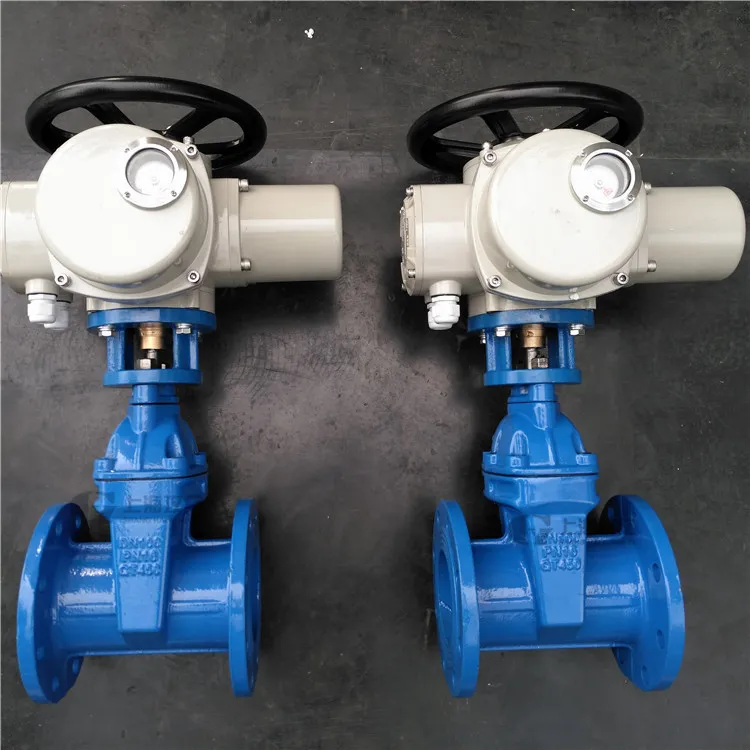
water valve shut off
Navigating the complexities of home maintenance often involves understanding key components such as
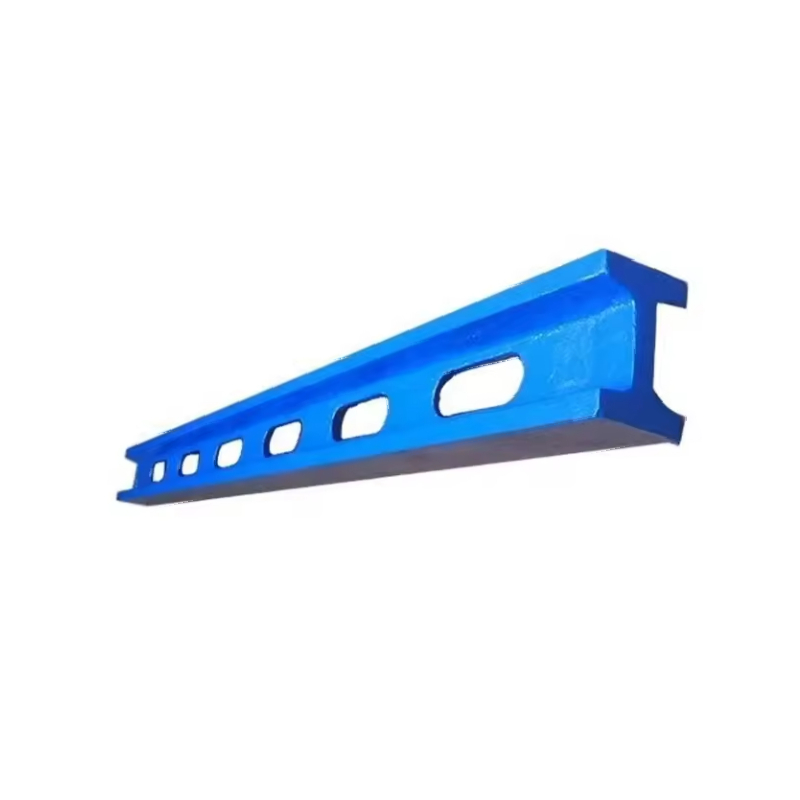
Vibration Isolation Pads for Enhanced Equipment Performance and Longevity
Understanding Vibration Mounting Pads Importance and Applications Vibration isolation is a critical

What Is the Difference Between a Silent Check Valve and a Regular Check Valve_
In the realm of fluid dynamics, valves play a crucial role in controlling the flow of liquids and ga
 English